

Why Am I Always Bloating? And What Can I Do About It?
Why Am I Always Bloating? And What Can I Do About It? Bloating is one of the most common digestive complaints people experience. 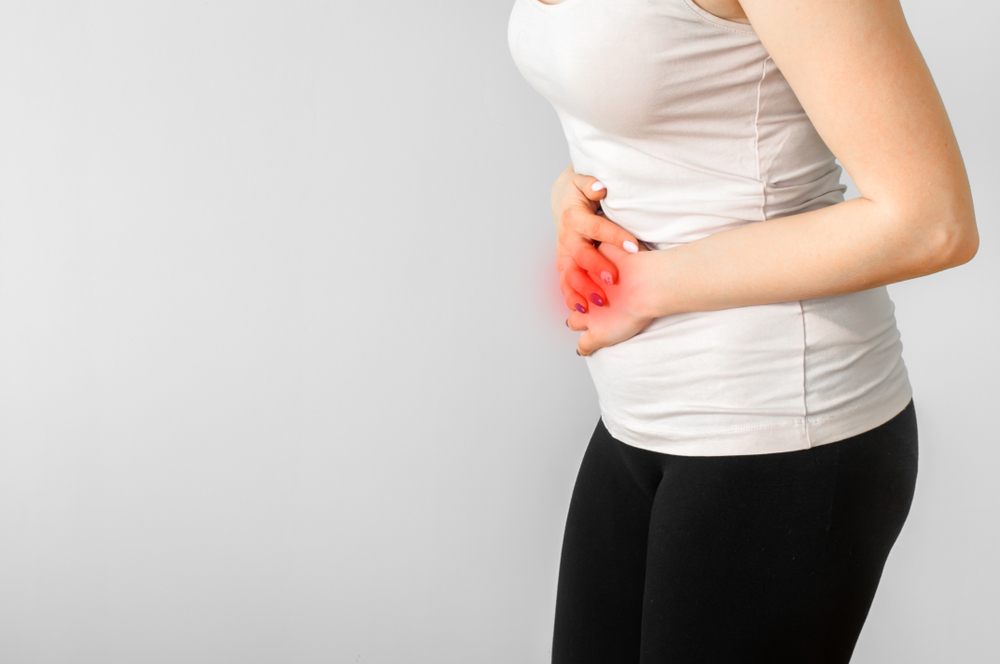 It can leave you feeling uncomfortable, sluggish, and frustrated, especially when your clothes fit comfortably in the morning but feel tight by the afternoon. To understand what may be happening, it helps to look at the most common causes of bloating and the strategies that can support better digestion.
What Is Bloating?
Bloating is the sensation of abdominal fullness, pressure, or visible distention. Some people describe it as feeling “puffy,” uncomfortable, or overly full even after eating small amounts.
Bloating can be caused by several factors, including:
- Constipation
- Excess gas production
- Altered gut motility
- Visceral sensitivity
- Hormonal changes
These factors often overlap, which is why bloating can feel different from person to person. Let’s start with one of the most common contributors: constipation.
Constipation: A Common Cause of Bloating
One of the most common causes of bloating is incomplete bowel movements. Constipation does not always mean going several days without a bowel movement. In fact, some people may be going daily or even multiple times per day, but still not fully emptying their bowels. When stool remains in the colon, it increases fermentation and gas production, leading to bloating and discomfort.
Signs of constipation may be contributing to your bloating:
- Feeling like you haven’t fully emptied your bowels
- Straining during bowel movements
- Relying on coffee or laxatives to have a bowel movement
Constipation is only one possible contributor. For some people, bloating is connected to IBS and how the gut and brain communicate.
IBS (Irritable Bowel Syndrome)
Bloating is a common symptom in both IBS-C (constipation-predominant IBS) and IBS-D (diarrhea-predominant IBS). In IBS, bloating is often related to disorders of gut-brain interaction.
This can include:
- Increased sensitivity within the digestive system
- Altered gut motility (food moving too quickly or too slowly through the gut)
- Increased sensitivity to certain foods
For many individuals with IBS, even normal amounts of gas can feel extremely uncomfortable due to heightened gut sensitivity. Food choices can also play a role, especially when certain carbohydrates are not well tolerated.
High FODMAP Foods
FODMAPs are fermentable carbohydrates found in foods such as onions, garlic, beans, apples, and milk and other lactose-containing foods. In sensitive individuals, these foods can increase fermentation in the gut, leading to gas production and bloating. This does not mean these foods are “bad,” but some people may tolerate them differently. Along with digestive factors and food tolerance, hormonal changes can also influence bloating patterns.
Hormonal Changes
Many women notice increased bloating during the luteal phase of their menstrual cycle — the time right before their period. Hormonal fluctuations during this phase can contribute to: increased fluid retention, slower digestion and increased abdominal discomfort.
What Can You Do About It?
When bloating becomes persistent, many people immediately start aggressively eliminating foods from their diet. However, over-restricting foods can actually starve the gut microbiome of beneficial bacteria and may make the digestive system even more sensitive over time. A more supportive approach is to focus on the foundations that help digestion work well.
Optimize Gut Motility First
Addressing underlying constipation can significantly improve bloating. Adequate nutrition, consistent eating patterns and adequate hydration are important. Once those foundations are in place, it can also be helpful to focus on what you can add to support your gut microbiome, rather than only thinking about what to remove.
- Prebiotic fibres: found in foods like oats, flaxseeds, and asparagus, help feed beneficial gut bacteria and support healthy digestion and bowel movements. If you are already bloated, increase fibre slowly to avoid worsening symptoms.
- Probiotics: are beneficial bacteria that may help improve digestion, reduce gas production, and support gut motility. Since different probiotic strains target different symptoms, it is best to get guidance on which option may be right for you.
If symptoms continue despite these basics, a more targeted nutrition strategy may be worth considering.
Consider a Low FODMAP Diet (With Guidance)
A low FODMAP diet has been shown to reduce bloating symptoms in people with IBS. However, it is not meant to be followed long-term. Because the diet can be restrictive, it is best completed under the guidance of a Registered Dietitian to ensure nutritional adequacy and proper food reintroduction. Dietary changes are only one part of the picture. Daily movement can also support digestion and help reduce discomfort.
Stay Active
Movement helps stimulate digestion and supports normal bowel function. Even light activity, such as walking after meals, can help reduce bloating and improve digestion.
Reduce Stress
Stress can have a major impact on digestion and may worsen bloating and IBS symptoms. Prioritizing stress management through adequate sleep, mindfulness, exercise, or relaxation techniques can help support the gut-brain connection and improve digestive symptoms over time.
Ready to Get to the Root Cause of Your Bloating?
Bloating can feel frustrating, especially when nothing seems to help. The good news is that you do not have to figure it out alone. Together, we can identify possible triggers, support your digestion, and build a nutrition plan that fits your lifestyle without unnecessary restrictions. Book a nutrition consultation today, and let’s work together to help you feel more comfortable, confident, and energized.
Dislaimer: This website does not provide medical advice. The information, including but not limited to, text, graphics, images and other material contained on this website are for informational purposes only. No material on this site is intended to be a substitute for professional medical advice, diagnosis or treatment. Always seek the advice of your physician or other qualified health care provider with any questions you may have regarding a medical condition or treatment and before undertaking a new health care regimen, and never delay in seeking it because of something you may have read on this website.