

The Portfolio Diet: A Practical Way to Lower Cholesterol
Heart health is one of my favourite topics to talk about. Many clients come to see me because they want to improve their cholesterol numbers, and together we focus on realistic, sustainable changes one step at a time. It’s incredibly rewarding when clients return after their bloodwork and see improvements in their L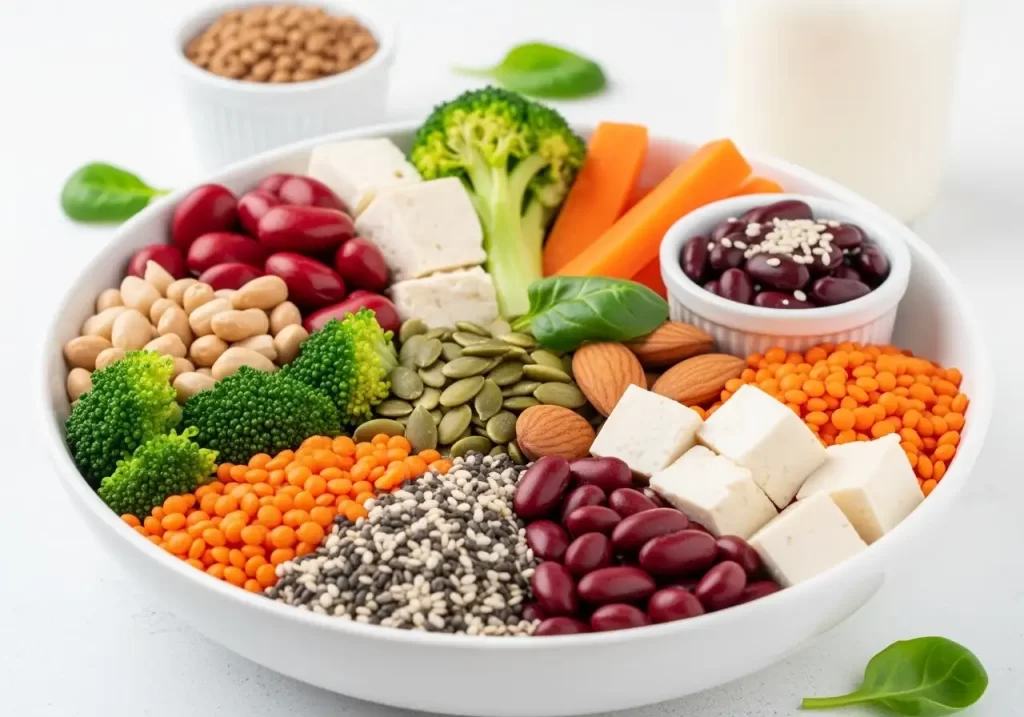 DL, HDL and the cholesterol ratio.
One evidence- based approach I often use is the Portfolio diet. The Portfolio diet was developed in the early 2000s and has since been approved by Health Canada as a good approach to reducing blood cholesterol. It has 4 components, each of which is expected to lower your LDL-cholesterol by 5-10%. The Portfolio dietary pattern can be used alone or as an additive to a statin (commonly known cholesterol medication).
Here’s a closer look at the four components of the Portfolio diet:
Tree Nuts. The Portfolio diet recommends incorporating 45 grams of nuts per day. Nuts such as almonds, walnuts, pecans and pistachios are high in monounsaturated fats, the good fats that help to reduce LDL- cholesterol “bad cholesterol” and help to increase HDL-Cholesterol “good cholesterol”. A good way to incorporate nuts as a snack is with a fruit.
Soluble (sticky) Fibre: The portfolio diet recommends 20g daily. This is expected to lower LDL Cholesterol by 5-10%. Foods such as oatmeal, barley, okra, lentils and chickpeas are high sources of soluble fibre. Including these foods regularly can make a meaningful impact on your cholesterol levels.
Plant Proteins: The Portfolio diet recommends 50g of plant proteins daily. For many people, this can be a challenge, especially if you are a “meat lover’, but even small shifts can help. Beans, lentils, soy milk, tofu are all excellent sources of plant protein. Starting with one plant- based meal per week can make a big difference, such as having chickpeas as your protein at lunch. Including more plant proteins not only reduces saturated fat intake (which can raise LDL cholesterol), but also increases fibre, vitamins, and beneficial plant compounds like flavonoids.
Plant Sterols. Plant Sterols are also known as Phytosterols. Aim for about 2 grams daily. Plant sterols are naturally found in small amounts in fruits, vegetables, nuts, and seeds, and in higher amounts in fortified foods as fortified margarine and orange juice. They are structurally similar to cholesterol and therefore compete for the same absorption sites. This means less cholesterol gets absorbed, therefore lowering your cholesterol.
What I love about the Portfolio dietary pattern is it’s not an “all-or-nothing approach”. You can apply one component and see great benefits. This eating pattern can be very effective for improving cholesterol levels, especially when combined with regular physical activity and lower-glycemic foods. It may also help support healthy blood pressure, blood sugar regulation, and reduce inflammation.
It’s not the only approach to lowering cholesterol but it’s a great one!
If you’re wondering where to start, a simple first step could be adding a bowl of overnight oats to your routine. Small changes truly add up!
Personalized Support For Your Heart Health
If you’re looking for personalized guidance on improving your cholesterol or building a heart-healthy eating plan, I’d love to support you.
Book a session with me (Alia) to get started on a plan that fits your lifestyle and goals.
Dislaimer: This website does not provide medical advice. The information, including but not limited to, text, graphics, images and other material contained on this website are for informational purposes only. No material on this site is intended to be a substitute for professional medical advice, diagnosis or treatment. Always seek the advice of your physician or other qualified health care provider with any questions you may have regarding a medical condition or treatment and before undertaking a new health care regimen, and never delay in seeking it because of something you may have read on this website.