

How Orthopedic Shoes Support Foot Health Beyond Just Comfort
Foot pain affects your entire body, altering how you walk, stand, and move through daily activities. While many people associate orthopedic footwear with simple cushioning or convenience, these specialized shoes provide structural support that addresses biomechanical issues at their source, offering therapeutic benefits that extend far beyond surface-level comfort.
What Makes Orthopedic Shoes Different From Regular Footwear
Orthopedic shoes are designed with specific architectural features that support healthy foot function and correct problematic movement patterns. Unlike conventional shoes that prioritize style or general comfort, orthopedic footwear incorporates structural elements based on podiatric and pedorthic principles.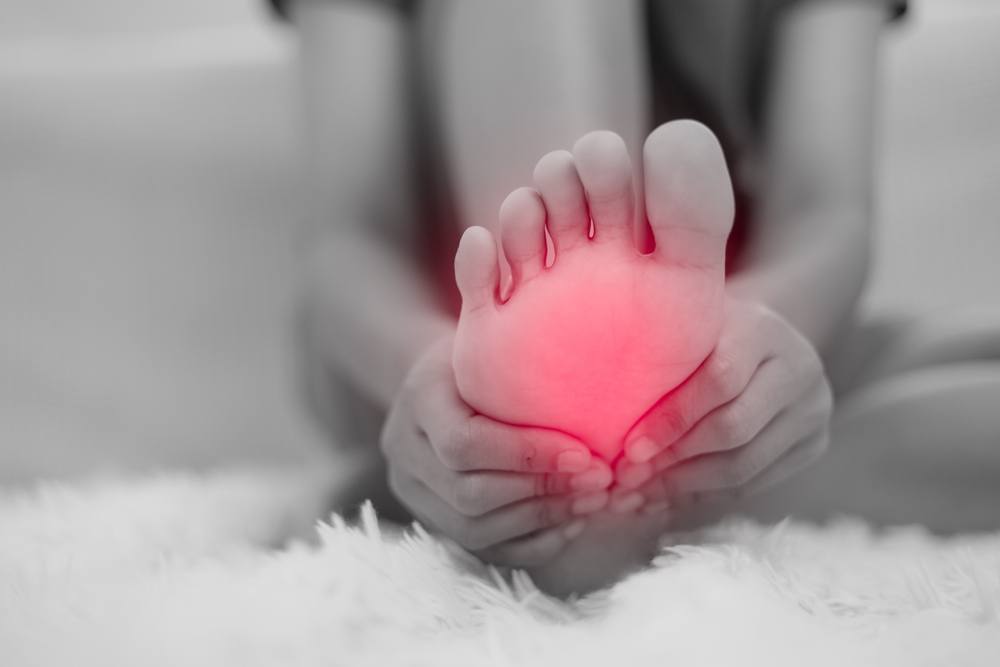
The foundation begins with a firm heel counter, the reinforced section at the back of the shoe that stabilizes your rearfoot and controls excessive motion during walking. This component prevents your heel from rolling inward or outward excessively, a condition that can contribute to plantar fasciitis, Achilles tendonitis, and knee pain.
The midsole in orthopedic shoes offers graduated density, meaning different areas provide varying levels of support. This design helps control pronation (the natural inward roll of your foot) or supination (outward roll), depending on your specific gait pattern. The shank, a supportive piece that runs along the arch area, maintains the shoe's structural integrity and prevents the footbed from collapsing under your body weight.
Depth is another distinguishing feature. Orthopedic shoes typically offer extra depth in the toe box and throughout the shoe, accommodating foot deformities like bunions, hammertoes, or swelling without creating pressure points. This additional space also allows room for custom foot orthotics when prescribed, creating a comprehensive support system for your feet.
How Structural Support Addresses Common Foot Conditions
The therapeutic value of orthopedic shoes lies in their ability to redistribute pressure, stabilize joints, and support proper alignment throughout your lower body. For individuals with plantar fasciitis, the combination of arch support and heel cushioning reduces tension on the plantar fascia ligament, allowing inflammation to subside while you remain active.
People with arthritis in their feet benefit from the shock-absorbing properties and wider base that orthopedic shoes provide. The reduced impact on inflamed joints means less pain with each step, while the stable platform minimizes unwanted motion that can aggravate arthritic changes.
For those managing diabetes, orthopedic footwear serves a protective function. The seamless interiors prevent friction that could lead to blisters or ulcers, while the structured design reduces abnormal pressure points. The extra depth accommodates any foot changes that occur with diabetic neuropathy, and the firm sole protects against puncture injuries you might not feel due to reduced sensation.
Flat feet or fallen arches respond well to the medial support built into many orthopedic shoes. This support lifts the arch area and prevents the foot from collapsing inward, which in turn reduces strain on the posterior tibial tendon and prevents the cascade of alignment issues that can affect your ankles, knees, and hips.
Conversely, high-arched feet require different support. Orthopedic shoes for this foot type include enhanced cushioning to compensate for reduced natural shock absorption and a contoured footbed that fills the gap beneath the arch, distributing pressure more evenly across the entire foot.
When Orthopedic Shoes Work Best as Part of Comprehensive Care
Orthopedic footwear delivers optimal results when integrated into a broader foot health strategy. While the shoes themselves provide substantial benefits, pairing them with professional assessment and complementary treatments enhances their effectiveness.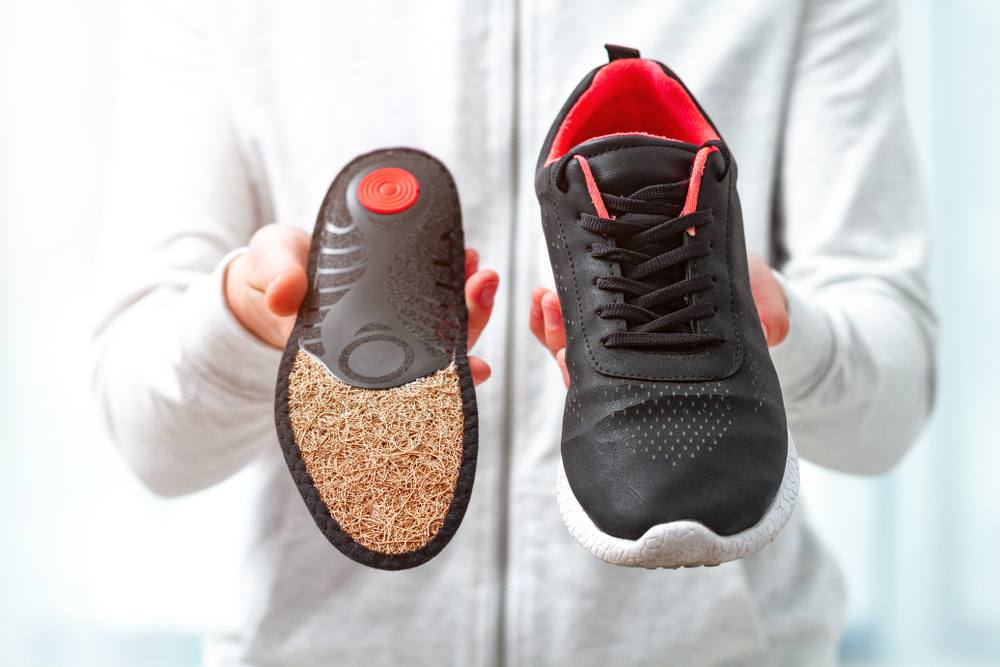
A gait analysis performed by a foot specialist identifies exactly how your feet move during walking and standing. This assessment reveals whether you overpronate, supinate, or have other biomechanical irregularities that specific orthopedic shoe features can address. The analysis guides footwear selection, ensuring you choose shoes with the appropriate support characteristics for your individual needs.
Some conditions require both orthopedic shoes and custom orthotics. The shoes provide the external structure and stability, while the orthotics offer personalized correction inserted inside the footwear. This combination creates a tailored support system that addresses multiple aspects of foot dysfunction simultaneously.
Working with a Canadian Certified Pedorthist ensures you receive footwear that truly meets therapeutic standards. Not all shoes marketed as "orthopedic" provide genuine biomechanical support. A pedorthist evaluates your specific condition, measures your feet accurately, and recommends footwear from manufacturers that adhere to medical-grade construction standards.
For individuals requiring footwear modifications, orthopedic shoes offer a suitable foundation. The solid construction allows for alterations like rocker soles, wedges, or lifts that further customize the shoe to your needs without compromising structural integrity.
Common Questions About Orthopedic Footwear
Do orthopedic shoes really make a difference for everyday foot pain?
Yes, when properly fitted and selected for your specific foot type and condition. Orthopedic shoes change how forces distribute across your feet during weight-bearing activities, which can significantly reduce pain caused by structural issues, overuse, or biomechanical problems. Many people experience noticeable improvement within the first few weeks of wearing appropriate orthopedic footwear, though the timeframe varies depending on the underlying condition.
Can I wear orthopedic shoes if I don't have a diagnosed foot problem?
Absolutely. Orthopedic shoes benefit anyone who spends considerable time on their feet, even without a specific diagnosis. The structural support and quality construction help prevent foot problems from developing by promoting healthy alignment and reducing accumulated stress on foot structures. Many people adopt orthopedic footwear proactively, particularly as they age or increase their activity levels.
How do I know which orthopedic shoe features I need?
A professional foot assessment provides the most accurate answer. Your foot type, gait pattern, activity level, and any existing conditions all influence which features will benefit you most. A pedorthist can identify whether you need motion control, stability, cushioning, or a combination of features, then recommend specific models that incorporate those elements.
Finding the Right Orthopedic Footwear for Your Needs
Orthopedic shoes represent an investment in long-term foot health and overall mobility. The structural support they provide goes far beyond the temporary relief of cushioned insoles, addressing the biomechanical causes of foot pain and dysfunction. Whether you're managing a diagnosed condition or simply want to protect your feet from the cumulative stress of daily activities, properly selected orthopedic footwear can make walking, standing, and moving through your day genuinely comfortable again.
If you're experiencing foot pain, difficulty finding shoes that fit properly, or concerns about your walking pattern, a professional assessment can clarify whether orthopedic shoes are right for you. Our team evaluates your individual foot structure, movement patterns, and lifestyle needs to recommend footwear solutions that truly support your health goals. Book your appointment to discover how the right footwear can transform your comfort and mobility.
Dislaimer: This website does not provide medical advice. The information, including but not limited to, text, graphics, images and other material contained on this website are for informational purposes only. No material on this site is intended to be a substitute for professional medical advice, diagnosis or treatment. Always seek the advice of your physician or other qualified health care provider with any questions you may have regarding a medical condition or treatment and before undertaking a new health care regimen, and never delay in seeking it because of something you may have read on this website.