

How to Choose the Best Orthopedic Shoes for Specific Foot Conditions
Foot pain can change how you move through your day, and the wrong footwear makes it worse. Orthopedic shoes are designed with structural features that address specific conditions, from plantar fasciitis to diabetic neuropathy, but selecting the right pair requires understanding which features match your particular needs.
Understanding the Difference Between Orthopedic Features and Standard Footwear
Orthopedic shoes differ from regular shoes in their construction, not just their comfort marketing. Standard footwear typically focuses on style with minimal attention to biomechanical support, while orthopedic shoes incorporate specific design elements that address how your feet function.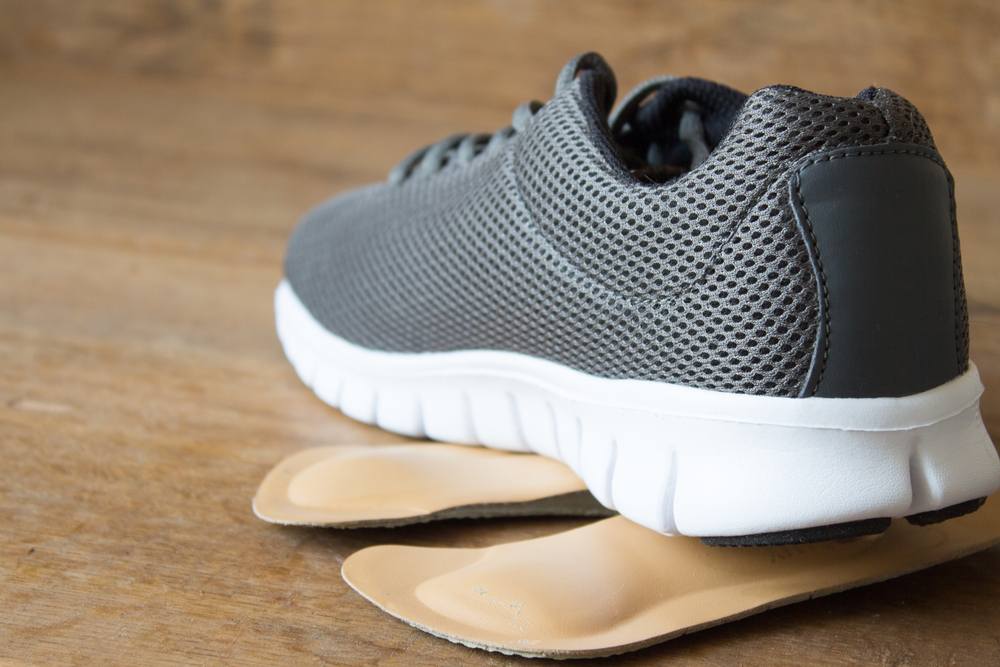
Depth and volume are the first distinguishing factors. Orthopedic shoes provide extra depth to accommodate foot deformities, swelling, or custom orthotics without compression. This additional space prevents pressure points that can lead to ulcers or exacerbate conditions like bunions.
Sole construction in orthopedic footwear uses firmer materials in strategic locations to control motion while cushioning high-impact areas. The heel counter, the rigid cup that cradles your heel, offers stability that prevents excessive pronation or supination. Many standard shoes lack adequate heel counters, allowing your foot to move unpredictably inside the shoe.
Closure systems on orthopedic shoes often use velcro straps, multiple lacing options, or adjustable components that let you modify fit as swelling fluctuates throughout the day. This adjustability matters significantly for conditions like arthritis or edema, where foot volume changes.
The rocker sole design, common in orthopedic footwear, curves the bottom of the shoe to facilitate a smoother gait pattern. This reduces pressure on the forefoot and makes walking easier for people with limited ankle mobility or painful conditions affecting the ball of the foot.
Matching Shoe Features to Common Foot Conditions
Different foot conditions require specific shoe characteristics to provide relief and prevent progression.
For plantar fasciitis, look for shoes with firm arch support and cushioned heels. The arch support reduces strain on the plantar fascia by preventing the foot from flattening excessively during weight-bearing. A slightly elevated heel reduces tension on the Achilles tendon and plantar fascia, while cushioning absorbs shock that would otherwise aggravate inflamed tissue.
Diabetic neuropathy demands shoes with seamless interiors, protective toe boxes, and materials that don't create friction points. People with neuropathy can't feel developing blisters or pressure sores, so prevention becomes critical. Shoes designed for diabetic feet use soft, breathable materials and eliminate internal seams that could rub against skin. The extra depth accommodates any foot deformities without causing compression.
Arthritis in the feet benefits from shoes with cushioned midsoles that absorb impact, reducing stress on inflamed joints. Wide toe boxes prevent compression of swollen or deformed toes, while easy-entry designs with velcro closures accommodate hands affected by arthritis. Lightweight construction reduces the energy required for walking.
Bunions and hammertoes require shoes with wide, high toe boxes that don't press against bony prominences. Soft, stretchable uppers conform to foot shape rather than forcing the foot into a narrow form. Look for shoes without seams across the bunion area, as these create pressure points.
Flat feet or overpronation need shoes with firm medial support and motion control features. The midsole should be denser on the arch side to prevent excessive inward rolling. A supportive heel counter keeps the rearfoot stable, and structured arch support helps distribute pressure more evenly across the foot.
Those with custom foot orthotics need shoes with removable insoles and adequate depth to accommodate the orthotic device without crowding the foot.
Key Features to Evaluate During Selection
When you're shopping for orthopedic shoes, certain features require hands-on assessment.
Test the heel counter by squeezing the back of the shoe with your thumb and forefinger. It should feel firm and resist compression. A weak heel counter won't provide the stability needed for proper foot alignment.
Check the sole flexibility by holding the shoe at both ends and trying to bend it. The shoe should only flex at the ball of the foot, where your foot naturally bends during walking. If the entire shoe bends in half, it lacks the structural support necessary for orthopedic benefit.
Assess the arch support by feeling inside the shoe along the arch area. You should feel a raised, firm support structure. Press on it to confirm it doesn't immediately flatten under light pressure.
Examine the toe box by inserting your hand into the shoe. There should be enough width and height to wiggle your fingers comfortably. When you wear the shoe, you should have about a thumb's width of space beyond your longest toe.
Evaluate the weight by lifting the shoe. While some support features add weight, excessively heavy shoes make walking more tiresome and can alter your gait pattern.
Inspect closure mechanisms to ensure you can adjust them easily and that they secure the foot without creating pressure points. Multiple adjustment points allow better customization as your foot swells or changes position during the day.
The break-in period for properly constructed orthopedic shoes should be minimal. While some adjustment is normal, significant discomfort suggests the shoe doesn't match your foot shape or condition requirements.
Working with Pedorthic Professionals for Optimal Results
While understanding shoe features helps you make informed choices, working with a pedorthic professional ensures you select footwear that truly addresses your specific condition.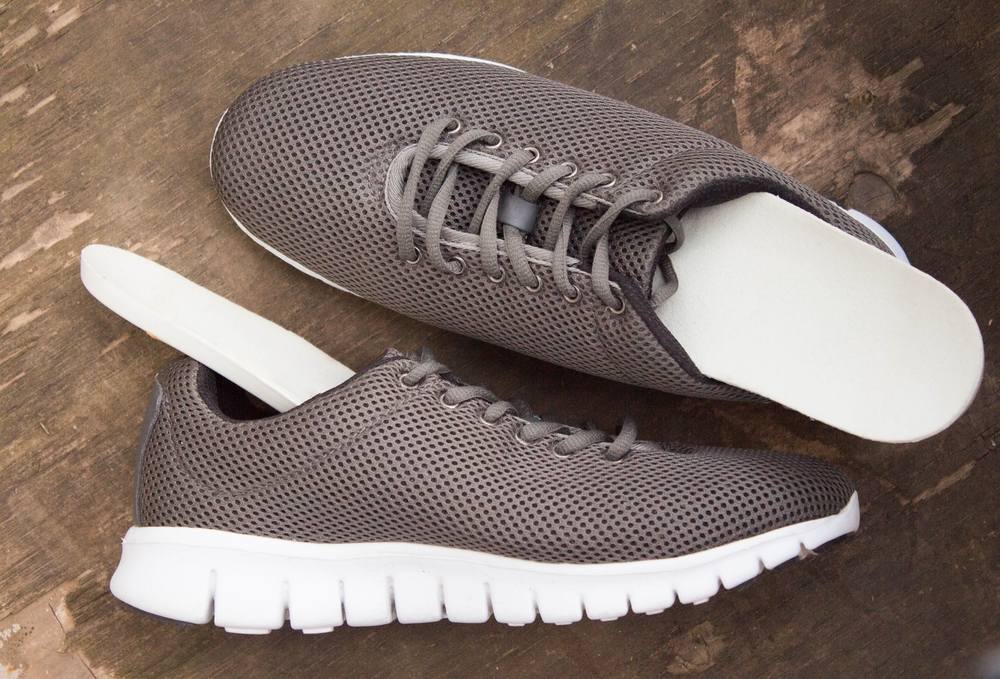
A pedorthic assessment includes gait analysis, measurement of foot dimensions, and evaluation of any existing conditions or deformities. This comprehensive approach identifies factors you might not notice on your own, such as leg length discrepancies or subtle gait abnormalities that affect shoe wear patterns.
Professional fitting accounts for both feet individually, as most people have slight size differences between left and right. The assessment also considers how your feet change throughout the day, ensuring shoes accommodate normal swelling without becoming too loose when swelling decreases.
Pedorthists can recommend specific brands and models that consistently work well for particular conditions based on their experience with many clients. They also understand which shoes accommodate modifications if your condition requires additional adjustments beyond standard orthopedic features.
For people managing multiple conditions simultaneously, such as diabetes and arthritis, professional guidance helps prioritize which features matter most and identify shoes that address multiple needs without compromise.
If you require footwear modifications, a pedorthist can assess whether a shoe's construction allows for the necessary alterations. Some modifications require specific sole materials or construction methods that aren't obvious from examining the finished shoe.
Frequently Asked Questions About Orthopedic Shoe Selection
Can I wear orthopedic shoes if I don't have a diagnosed foot condition?
Yes, orthopedic shoes benefit anyone seeking better support and alignment, even without a specific diagnosis. The structural features that help people with conditions also promote healthier foot mechanics in general. Many people wear orthopedic shoes preventatively or simply for the superior comfort and support they provide during long periods of standing or walking.
How often should I replace my orthopedic shoes?
Replace orthopedic shoes every 6 to 12 months with regular use, or sooner if you notice visible wear patterns on the sole, if the heel counter becomes soft and unstable, or if cushioning compresses and doesn't rebound. People who walk extensively or have gait abnormalities that create uneven wear may need replacement more frequently. Worn-out shoes lose their therapeutic benefit and can actually contribute to foot problems.
Do orthopedic shoes work for people with high arches?
Orthopedic shoes accommodate high arches when they include appropriate cushioning and arch support designed for cavus feet. High arches require cushioning to absorb shock that the foot's natural structure doesn't absorb well, along with support that fills the gap under the arch without forcing the foot to flatten. Some orthopedic shoes are specifically designed for high-arched feet with features different from those needed for flat feet.
Finding the Right Orthopedic Footwear for Your Needs
Selecting orthopedic shoes that genuinely address your foot condition requires looking beyond general comfort to specific structural features that support, protect, and accommodate your individual needs. The right shoes reduce pain, improve mobility, and help prevent condition progression, but only when the features match your particular requirements.
Our team provides comprehensive assessments to identify exactly which shoe characteristics will benefit your feet most. We'll evaluate your gait, measure your feet properly, and recommend footwear that addresses your specific condition while fitting your lifestyle. Book your appointment to get personalized guidance on choosing orthopedic shoes that truly make a difference in your daily comfort and mobility.
Dislaimer: This website does not provide medical advice. The information, including but not limited to, text, graphics, images and other material contained on this website are for informational purposes only. No material on this site is intended to be a substitute for professional medical advice, diagnosis or treatment. Always seek the advice of your physician or other qualified health care provider with any questions you may have regarding a medical condition or treatment and before undertaking a new health care regimen, and never delay in seeking it because of something you may have read on this website.