

Custom Orthotics in Ottawa
Personalized Foot Support Based on Your Needs, Footwear & Lifestyle
If foot or lower-limb pain is affecting how you walk, work, exercise or enjoy everyday activities, custom orthotics may be one part of a personalized treatment plan.
At Healthy Steps Pedorthic Clinic, our Canadian Certified Pedorthists assess your foot structure, biomechanics, gait, footwear and individual goals before determining whether custom orthotics are appropriate for you.
Our custom orthotics are designed around your individual needs rather than a standard foot shape. We combine detailed biomechanical assessment with 3D foot scanning, traditional casting methods and skilled orthotic fabrication to create a device designed for your feet, activities and footwear.
Book a Custom Orthotics Assessment
Canadian Certified Pedorthists
Professional assessment & individualized care
Serving Ottawa Since 2009
Locally owned & operated
3D Scanning & Traditional Casting
Assessment methods selected for your individual needs
On-Site Orthotic Laboratory
Fitting & adjustments supported in-house

What Are Custom Orthotics?
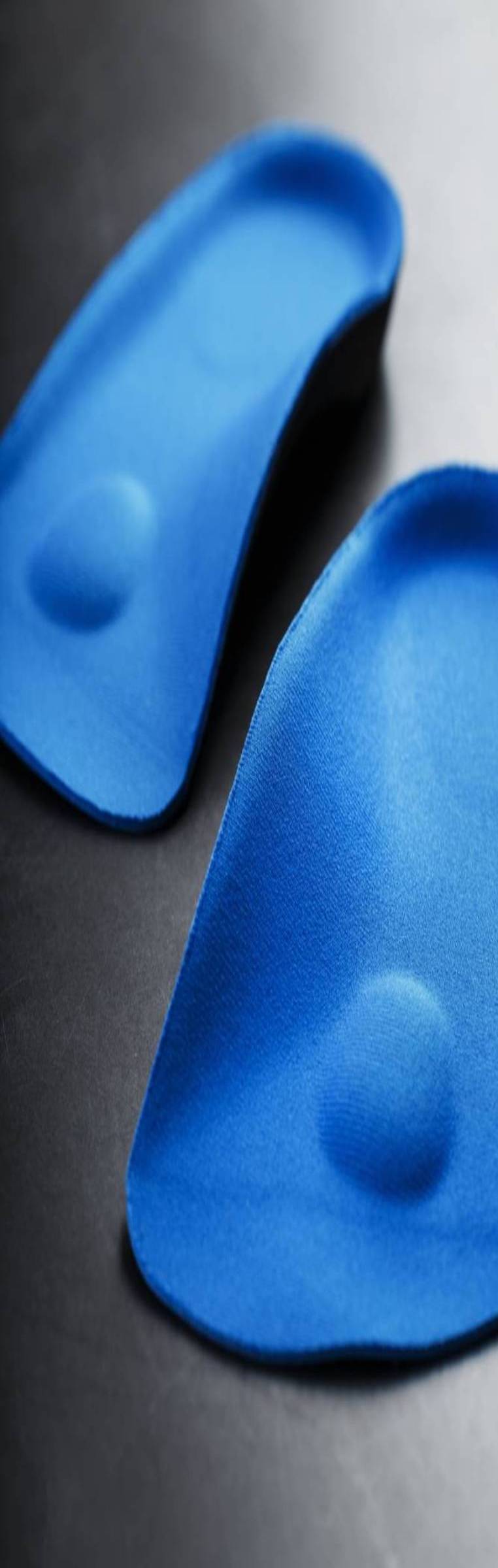
Custom orthotics are individually designed foot devices intended to address a person's foot structure, biomechanics, footwear requirements and functional needs.
Unlike standard insoles, custom orthotics are developed following a professional assessment to determine whether they are appropriate and what design features may be beneficial.
Why Choose Healthy Steps for Custom Orthotics?
Choosing custom orthotics starts with choosing the right assessment and care process. At Healthy Steps Pedorthic Clinic, our approach combines professional pedorthic assessment, individualized treatment planning and in-house orthotic expertise.
Serving Ottawa & Barrhaven Since 2009
Established in 2009, Healthy Steps Pedorthic Clinic is a locally owned and operated clinic serving patients in Ottawa and the surrounding communities. Our Canadian Certified Pedorthists take the time to understand your symptoms, footwear, daily activities and goals before recommending an appropriate treatment approach. From your initial assessment through orthotic fitting and follow-up adjustments, our team focuses on practical, individualized care designed around your everyday needs.
Assessment Before Orthotic Design
We do not begin with an orthotic and work backward. The process begins with an assessment of your feet and lower-limb function, including biomechanical and gait considerations. This helps our Canadian Certified Pedorthists determine whether custom orthotics are appropriate and what characteristics the device may need.
3D Foot Scanning & Traditional Casting
Healthy Steps uses 3D laser scanning technology to capture a digital model of the foot. Depending on the individual and the clinical situation, traditional plaster casting or foam box molding may also be used.
The goal is not to use technology simply because it is available. The appropriate assessment and impression method should support the design and fit of the orthotic for the individual patient.
An On-Site Orthotic Laboratory
Healthy Steps has an on-site laboratory, allowing the clinic to manage important parts of the orthotic process within its own facilities. It also allows for adjustments when an orthotic requires modification after fitting.
Individualized Treatment
There is no single orthotic design that is appropriate for everyone. Materials, shape, modifications and other design considerations can vary according to the person's foot structure, biomechanics, activities, footwear and treatment goals. Our focus is on creating a practical solution that fits into your everyday life.
Who May Benefit From Custom Orthotics?
Custom orthotics may be considered when foot mechanics, pressure distribution, alignment or movement patterns are contributing to pain, discomfort or difficulty with everyday activities. An assessment can help determine whether orthotics are appropriate for your particular situation.
Healthy Steps provides pedorthic care for people experiencing concerns such as:
- Plantar fasciitis & heel pain
- Foot & arch pain
- Bunions
- Metatarsalgia & forefoot pain
- Achilles tendon-related discomfort
- Shin splints
- Arthritis-related foot discomfort
- Knee or hip symptoms associated with lower-limb biomechanics
- Flat feet or other changes in foot structure
- Foot discomfort associated with sports & physical activity
The presence of one of these conditions does not necessarily mean that custom orthotics are required. Your pedorthist will assess your individual circumstances and discuss appropriate options with you.
Explore our conditions and foot-health resources to learn more about specific concerns and how pedorthic care may help.
What Happens During a Custom Orthotics Assessment?
A custom orthotic should be based on more than a measurement of your foot. At Healthy Steps, the assessment considers your symptoms, movement, foot structure, footwear and daily activities so that the treatment plan reflects how you actually use your feet.
1. Discuss Your Symptoms & Goals
Your assessment begins with a conversation about what you are experiencing. Your pedorthist may discuss your pain or discomfort, daily activities, work demands, exercise, footwear and any relevant health or injury history.
Understanding your goals helps determine what you need from your footwear and orthotic support.
2. Complete a Biomechanical Assessment
Your pedorthist evaluates relevant aspects of your lower-limb function and foot mechanics. This may include examining foot structure, range of motion, strength, alignment and other factors that can influence how you move.
3. Assess Your Gait
Gait assessment helps your pedorthist observe how you walk and move. Your current footwear may also provide useful information about how you use your feet during everyday activities.
4. Create a Model of Your Feet
When custom orthotics are appropriate, Healthy Steps can use 3D laser scanning, traditional plaster casting or foam box molding depending on the individual and the clinical requirements.
5. Design & Manufacture Your Orthotics
The information gathered during your assessment is used to determine the appropriate orthotic design and materials. The finished device is created to suit your foot structure, activities, footwear and treatment goals.
6. Fit & Adjust Your Orthotics
Once your orthotics are ready, they are fitted to your footwear and checked for comfort and function. Because Healthy Steps has an on-site laboratory, adjustments can be made when necessary.
Is 3D Foot Scanning Better Than Traditional Casting?
Neither method is automatically best for every patient. 3D laser scanning creates a digital model of the foot, while traditional plaster casting and foam box molding capture foot shape using physical impressions. Your Canadian Certified Pedorthist can select the method that best suits your assessment findings and orthotic requirements.
3D Laser Scanning
Digital scanning creates a three-dimensional representation of the foot that can be used during the orthotic design process. It provides a digital record of the foot shape and can be useful when creating a customized device.
Traditional Casting
Traditional plaster casting remains another option for capturing the shape of the foot. In some situations, a physical cast may be appropriate based on the individual's foot structure and the requirements of the orthotic design.
Which Method Is Best?
There is not one method that is automatically appropriate for every patient. Healthy Steps considers the person's foot structure, condition, assessment findings and treatment requirements when determining the appropriate approach.
Custom Orthotics vs. Over-the-Counter Insoles
Over-the-counter insoles and custom orthotics serve different purposes. Over-the-counter insoles are mass-produced and available in standard shapes and sizes. They may provide cushioning or general support and can be appropriate for some people.
Custom orthotics are designed following an individual assessment and are made to address specific foot structure, biomechanics, functional requirements and footwear needs.
| Over-the-Counter Insoles | Custom Orthotics |
|---|---|
| Mass-produced | Individually designed |
| Standard shapes & sizes | Based on an individual's assessment & foot model |
| General cushioning or support | Designed around specific functional requirements |
| Available off the shelf | Professionally assessed, fitted & adjusted |
| Limited customization | Design & materials can be individualized |
A custom orthotic is not necessarily required simply because someone experiences foot pain. A professional assessment can help determine whether an over-the-counter product, footwear change, modification, custom orthotic or another approach is appropriate.
Making Custom Orthotics Work With Your Shoes
An orthotic is only useful if it works with the footwear you actually wear. During your assessment, tell your pedorthist about the shoes you use most often, whether they are walking shoes, running shoes, work footwear, dress shoes, skates, cleats or seasonal footwear.
The appropriate footwear can affect how an orthotic fits and functions. Healthy Steps can also provide guidance on footwear selection and, when appropriate, footwear modifications to help accommodate your individual needs. If you need support choosing footwear, explore our Footwear services or speak with your pedorthist during your assessment.
How Long Do Custom Orthotics Last?
The lifespan of custom orthotics varies. Factors such as the materials used, how frequently they are worn, the activities they are used for, body weight, footwear and normal wear can all affect durability.
Rather than replacing orthotics based on an arbitrary schedule, pay attention to changes in comfort, fit, function or the condition of the device. Changes in your activity level, footwear or physical condition may also mean that your orthotic needs should be reassessed.
If your orthotics no longer feel comfortable, appear significantly worn or no longer meet your needs, speak with your pedorthist about whether an adjustment, repair, replacement or reassessment is appropriate.
Are Custom Orthotics Covered by Insurance?
Many extended health insurance plans provide benefits for custom orthotics, but coverage depends on your individual policy. Check whether a prescription or referral is required, which providers are eligible, the reimbursement limit, and whether pre-approval is necessary before purchasing orthotics.
- Whether custom orthotics are covered
- Whether a prescription or referral is required
- Which healthcare professionals are eligible to provide the assessment
- Your annual or per-claim maximum
- Whether pre-approval is required
- What documentation must be submitted
If you are unsure what your plan requires, our team can help explain the documentation associated with your orthotic assessment and treatment.
Why Choose a Canadian Certified Pedorthist for Custom Orthotics?
Custom orthotics should begin with an appropriate assessment rather than simply selecting an insert.
Canadian Certified Pedorthists are trained to assess the relationship between the feet, lower limbs, movement and footwear and to design, fit and modify orthotic devices and footwear when appropriate.
At Healthy Steps, the assessment and orthotic process is led by experienced pedorthic professionals.
Derek Gilmer, founder and owner of Healthy Steps Pedorthic Clinic, established the clinic in 2009 and is a Canadian Certified Pedorthist with qualifications in the assessment, design, manufacture, fitting and modification of custom-made orthoses and footwear.
Our approach combines professional assessment with practical considerations such as your daily activities, footwear, comfort and treatment goals.
Derek Gilmer, Canadian Certified Pedorthist
Founder & Owner, Healthy Steps Pedorthic Clinic

Custom Orthotics FAQ
Q: What are custom orthotics?
A: Custom orthotics are individually designed foot orthoses created following an assessment of your foot structure, biomechanics, movement and functional needs. They are designed to work with your footwear and specific treatment goals.
Q: Do I need custom orthotics?
A: Not necessarily. Foot pain or discomfort does not automatically mean that custom orthotics are required. A pedorthic assessment can help determine whether orthotics, footwear changes, modifications or another treatment approach is appropriate.
Q: How are custom orthotics made?
A: Custom orthotics begin with an assessment. When orthotics are recommended, Healthy Steps may use 3D laser scanning, plaster casting or foam box molding to create a model of your feet. The orthotic is then designed and fabricated according to your individual requirements.
Q: How long does a custom orthotics assessment take?
A: The length of an assessment can vary depending on your circumstances and the type of evaluation required. Healthy Steps will explain what to expect when you schedule your appointment.
Q: Can custom orthotics help plantar fasciitis?
A: Custom orthotics may be part of a treatment plan for some people with plantar fasciitis. Whether they are appropriate depends on the individual's symptoms, foot mechanics, activities and assessment findings.
Q: Can custom orthotics help with knee or hip pain?
A: In some cases, foot and lower-limb mechanics can be relevant to symptoms affecting the knees or hips. A pedorthic assessment can help determine whether orthotic or footwear intervention may be appropriate as part of a broader treatment plan.
Q: Can I wear custom orthotics in different shoes?
A: Potentially. Orthotic design and footwear compatibility should be discussed during your assessment. Different activities and types of footwear may require different considerations.
Q: Are custom orthotics covered by insurance?
A: Coverage varies by insurance provider and individual plan. Check your benefits for eligibility requirements, documentation requirements and reimbursement limits before purchasing orthotics.
Q: How long do custom orthotics last?
A: There is no single lifespan that applies to every pair. Wear, materials, activity level, footwear and other factors can affect durability. Your pedorthist can assess whether your orthotics need adjustment, repair, replacement or reassessment.
Q: What happens if my orthotics are uncomfortable?
A: Contact Healthy Steps rather than continuing to wear an uncomfortable device. Your orthotics may require an adjustment, or your footwear or treatment needs may have changed.
Ready to Find Out Whether Custom Orthotics Are Right for You?
If foot or lower-limb discomfort is affecting your mobility, work, exercise or everyday activities, a professional assessment can help you understand your options. At Healthy Steps Pedorthic Clinic, our Canadian Certified Pedorthists consider your symptoms, foot mechanics, footwear and goals before recommending an appropriate treatment approach. Find out whether custom orthotics or another approach may be appropriate for your needs.
Schedule your custom orthotics assessment in Ottawa today.